Free Flight Scale
Superb flying models
For me, freeflight scale models are the ultimate. From simple models that only vaguely suggest the prototype to super-detailed models, the aim is to look like the real aeroplane both on the ground and in flight.
Guide to building a Veron Comper Swift - a first scale model
Rubber Power
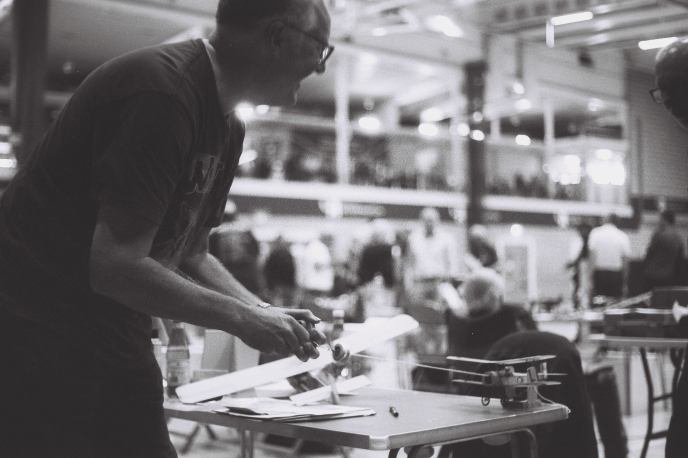
Twisted rubber strips have been powering models since the beginning . By varying the cross-section and number of turns, the power and duration of flight can be carefully controlled. This is especially critical with indoor scale models that should rise off the floor, circle and land again. Outdoor rubber models can reach great heights.
Electric Power
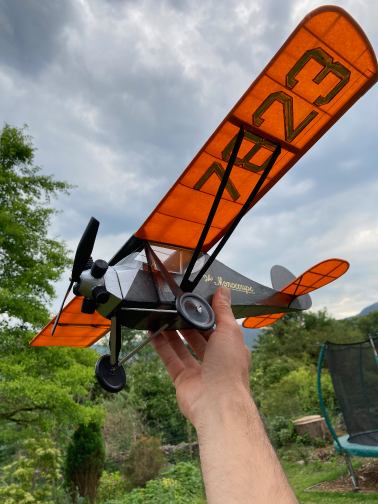
Not as common in free flight scale as one might expect. Flight profilers allow for take off, cruise and descent power phases. Multi engine models and even ducted fans are now feasible.
Carbon Dioxide Power
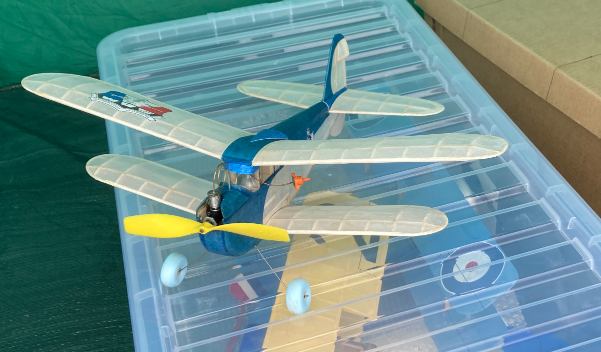
CO2 engines have the appeal and sound of a reciprocating engine without the mess of a diesel. However, the power depends on temperature, tank contents and heat transfer. Consistency is difficult, but they are still lovely.
IC Engine Power
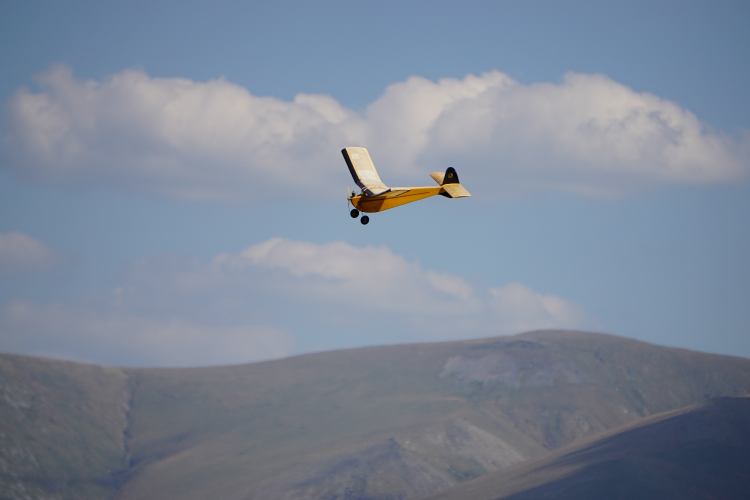
Small (0.5-1.5cc) diesel engines were the standard scale model power source for many years. They run consistently and are easily adjustable, but the lubricant oil can be difficult to clean from a scale model.